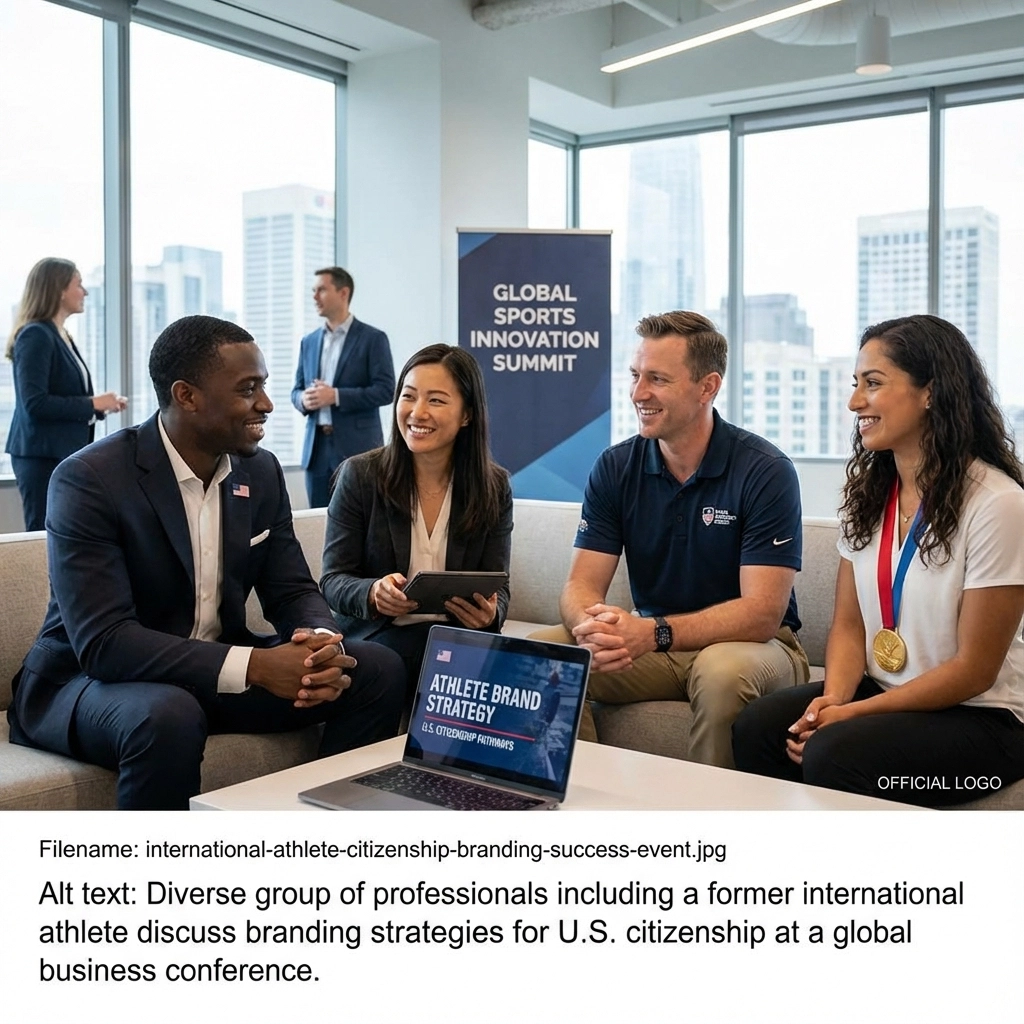
The world of international sports has become a powerful launching pad for athletes seeking permanent residency in the United States. But let's clear up one major misconception right away: there's no "Gold Card" program. What elite athletes are actually pursuing is a green card – your pathway to permanent residency and eventual U.S. citizenship.
International sports stars aren't just relying on their athletic prowess anymore. They're strategically building documented records of achievement that immigration authorities recognize as evidence of extraordinary ability. This isn't traditional marketing – it's about creating an undeniable paper trail of international excellence that opens doors to American opportunity.
Your athletic achievements can become your immigration advantage, but only if you understand the specific pathways available and how to position your accomplishments for maximum impact.
The P-1A Visa: Your Entry Point to American Competition
The P-1A visa serves as the most common stepping stone for internationally recognized athletes. This visa allows you to compete in specific events or seasons in the United States, but it requires meeting strict criteria that go beyond basic athletic ability.
To qualify for a P-1A visa, you must demonstrate high-level international recognition through documented evidence. Immigration officials look for participation in competitions with other international athletes, rankings on prominent international lists, or substantial press coverage of your achievements.

The key distinction here is "internationally recognized" – domestic success in your home country isn't enough. You need proof that you compete at a level where international athletes participate and that your achievements are acknowledged beyond your home country's borders.
Your P-1A application becomes stronger when you can show consistent performance across multiple international competitions, not just a single breakout moment. This visa typically allows stays of up to five years, giving you substantial time to build your case for permanent residency.
The O-1A Visa: Proving Extraordinary Ability
For athletes who've reached the pinnacle of their sport, the O-1A visa represents a higher tier of recognition. This visa is designed for individuals with extraordinary ability, typically evidenced by championship titles, sustained winning records, or recognition as integral to team success.
The O-1A requires you to rank among the top professionals in your field – a standard that demands more than just participation in international events. You need to show that you're not just competing internationally, but excelling at that level consistently.
Documentation for an O-1A visa should include championship titles, records of sustained success, critical acclaim from sports media, and recognition from sports organizations or governing bodies. The more comprehensive your evidence of extraordinary ability, the stronger your application becomes.
What makes the O-1A particularly valuable is its renewable nature and the precedent it sets for permanent residency applications. Successfully obtaining an O-1A visa demonstrates that U.S. immigration authorities already recognize your extraordinary ability – a crucial foundation for your green card application.
The EB-1A: Your Direct Path to Permanent Residency
The EB-1A immigrant petition represents the gold standard for elite athletes seeking permanent residency. This "extraordinary ability green card" requires clear documentation that you rank among the best in your sport with sustained national or international success.
Unlike other green card categories, the EB-1A doesn't require employer sponsorship and can be self-petitioned. This independence makes it particularly attractive for Olympic athletes, professional champions, and elite performers who want control over their immigration timeline.

The EB-1A process demands extensive documentation of your achievements, but it offers the most direct path to permanent residency. With premium processing, your I-140 petition can be adjudicated within 15 business days, allowing you to plan your future with confidence.
Your EB-1A application succeeds when you can demonstrate sustained excellence over time, not just isolated achievements. Immigration officers look for evidence that your extraordinary ability has been recognized consistently by peers, media, and governing bodies in your sport.
Building Your Athletic Brand for Immigration Success
When we talk about athletes "branding" themselves for immigration purposes, we're really discussing the systematic documentation and presentation of achievements. Your athletic brand becomes your immigration case – every competition, ranking, and recognition becomes evidence of your extraordinary ability.
Start by cataloging every international competition you've participated in, especially those where you competed against athletes from multiple countries. Document your rankings, not just your wins. Immigration officials understand that consistent high rankings often matter more than occasional victories.
Press coverage becomes crucial evidence in your immigration case. Collect articles, interviews, and media mentions that highlight your international recognition. The more diverse your media coverage – different publications, countries, and languages – the stronger your case becomes.
Your athletic brand should also include recognition from sports organizations, governing bodies, and fellow athletes. Letters of recommendation from internationally recognized coaches, former teammates who've achieved success, or sports officials carry significant weight in immigration proceedings.
Strategic Documentation That Immigration Officers Value
Immigration success for athletes depends heavily on presenting the right documentation in the right way. Your achievements need to tell a coherent story of sustained international excellence that meets specific legal criteria.
Competition records should be comprehensive and verifiable. Include official results, tournament brackets, and rankings from recognized sports organizations. Immigration officers prefer documentation that they can independently verify through official sources.

Financial records of your athletic earnings can support claims of extraordinary ability, especially if you can show significant income from international competitions or sponsorships. This demonstrates that your athletic ability has commercial value recognized by international markets.
Awards and honors should be documented with official certificates, photos from ceremonies, and contextual information about the significance of each recognition. Help immigration officers understand why each award matters in the broader context of your sport.
The College Athlete Pathway: F-1 to Permanent Residency
International student-athletes often begin their American journey with F-1 visas to attend U.S. universities. This pathway can eventually lead to EB-1A eligibility as your collegiate and post-collegiate achievements build your case for extraordinary ability.
College athletics in the United States provides unique opportunities to compete against international talent while building the academic credentials that strengthen your overall profile. Many successful EB-1A applicants leverage their college athletic careers as evidence of sustained high-level performance.
Your college years should focus on building comprehensive documentation of your achievements while maintaining academic standing. The combination of athletic excellence and academic success creates a stronger overall immigration profile.
Professional success after college becomes the cornerstone of your permanent residency application. Use your college achievements as the foundation, then build evidence of continued excellence in professional or international competition.
Working with Immigration Professionals Who Understand Sports
The complexity of immigration law combined with the unique nature of athletic achievements requires specialized expertise. Immigration attorneys who understand sports can help you present your achievements in ways that immigration officers recognize and value.
Professional guidance becomes essential when timing your applications strategically. The sequence of P-1A, O-1A, and EB-1A applications can significantly impact your success rates and timeline to permanent residency.

At Pathway to USA, we specialize in helping elite international athletes navigate the complex immigration system. Our team understands how to translate athletic achievements into compelling immigration cases that meet legal standards while showcasing your extraordinary ability.
Your athletic career represents more than personal achievement – it's your pathway to American opportunity. Let us help you transform your sporting excellence into permanent residency and eventual U.S. citizenship.
Your Next Steps Toward American Permanent Residency
The journey from international athlete to U.S. permanent resident requires strategic planning, comprehensive documentation, and expert guidance. Your athletic achievements have already demonstrated the dedication and excellence that immigration authorities value – now it's time to present that evidence effectively.
Begin by assessing your current achievements against EB-1A criteria. If you're not quite ready for an EB-1A application, consider whether P-1A or O-1A visas might provide stepping stones while you build additional evidence of extraordinary ability.
Remember that immigration success for athletes isn't about luck or connections – it's about systematic presentation of documented excellence. Your sporting achievements are valuable immigration assets when properly presented and supported.
Ready to explore how your athletic achievements can become your pathway to American permanent residency? Contact our specialized team at Pathway to USA to discuss your unique situation and develop a strategic plan for your immigration success. Your extraordinary athletic ability deserves extraordinary immigration representation.